We had previously reported on novel treatments for those suffering with treatment resistant depression (TRD). At the APA conference, Roger McIntyre MD presented on updates to TRD treatments:
What are factors contributing to treatment resistant depression?

- Childhood trauma can contribute to poor response to medications for depression.
- Patients with high degree of loneliness have a higher chance of using NSAIDS, antidepressants, anxiolytics, benzodiazepines, opioids and polypharmacy.
- Antidepressants have not increased in effectiveness since the 1980s, although the efficacy of placebo is increasing.
- Treatment resistant depression metrics should also include the patient’s experience of quality of life.
How do inflammatory markers correlate with treatment resistant depression?

- Obesity changes one’s biotype, like trauma, and creates an inflammatory picture.
- Higher CRP, the less escitalopram works, and the more nortriptyline works.
- Star-D taught us that 55% of people will meet state 2 treatment resistance.
Is there a phenotype most typical of treatment resistant depression?

- Disturbances in cognition and reward are the strongest contributors of functional impairment.
- Getting back to work might actually help your antidepressant.
What can help with anhedonia?

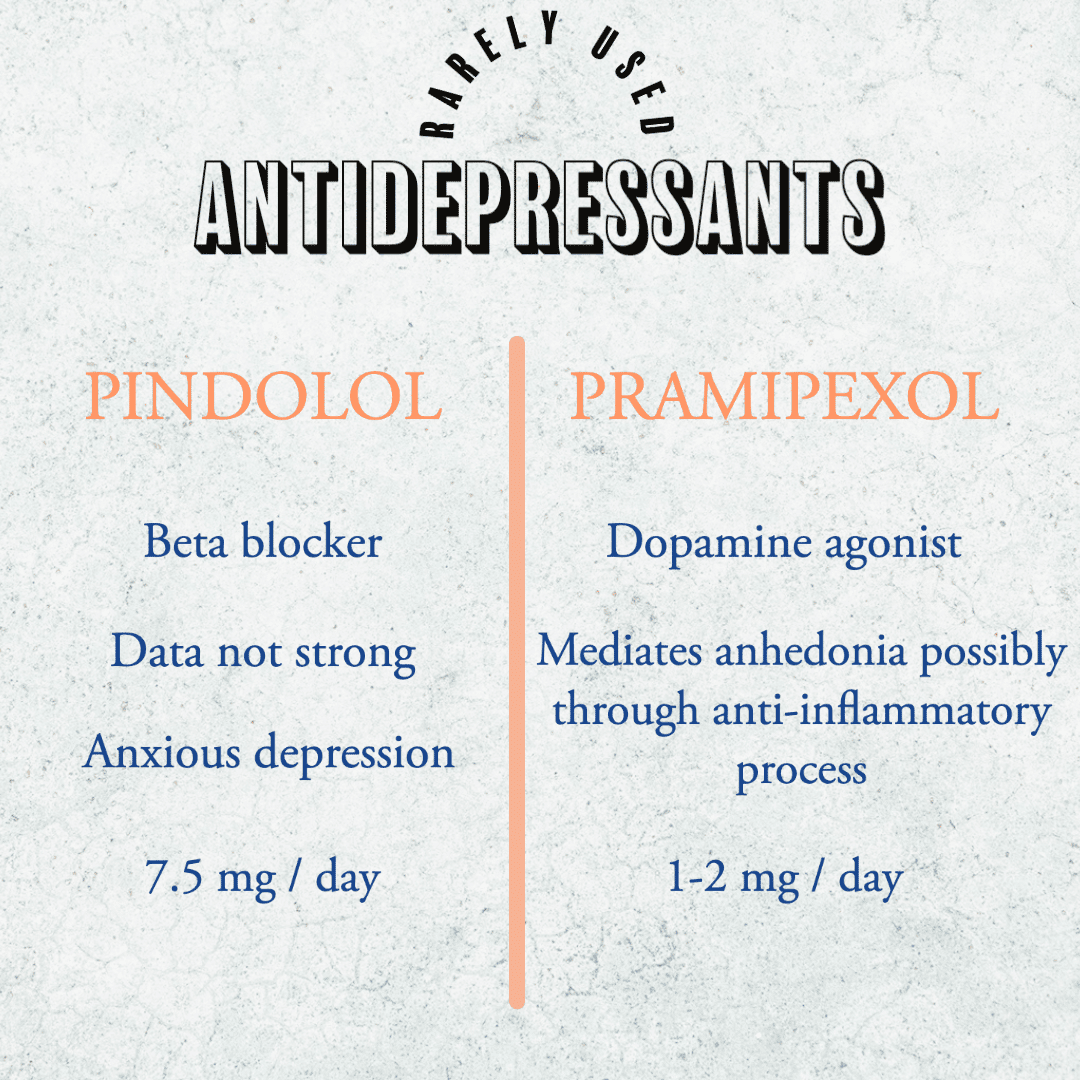
Focus on the dopaminergic pathways, via prapipexole (a treatment typically for Parkinson’s disease).
What are some add on strategies in treatment resistant depression?
- Vortioxetine and venlafaxine (150+) are the only two dose dependent medications, when reviewed on a group level.
- Most popular strategy for add-on in TRD is to add a benzo which is NOT evidence based. The “right” answer is to add an atypical antipsychotic. Atypicals are especially good for rumination, which affects 40-80% of people with depression.
- Add antidepressant (bupropion) vs atypical? Looking at the VAST-D study from 2017 in a VA population, aripiprazole was MORE effective than bupropion. Those who did well with aripiprazole were those with 4’s – anger, agitation, anxiety, and attentional disturbances.

If you are struggling with substance or alcohol use, depression, or anxiety, intensive outpatient may be right for you. Contact us at (888) 730-5220 or contact us to begin the process of healing today!