
How to Stop Vaping: Breaking Free from Nicotine with Therapy and Support

Struggling to quit vaping? Discover how online psychiatric therapy and proven strategies can help you break free from nicotine addiction for good. Learn how to stop vaping and reclaim your mental and physical health with expert support from Telepsych Health.
5 Rewarding Mental Health Careers You Didn’t Know Existed

Explore five meaningful yet often overlooked mental health careers—from Psychiatric Mental Health Nurse Practitioners to Art Therapists and Crisis Intervention Specialists—that offer diverse, impactful ways to support mental wellness and break stigma.
How Transitioning to Telemedicine Can Prolong Your Nursing Career

Telemedicine helps nurses avoid burnout, expand their reach, and gain flexibility—extending careers well beyond traditional bedside roles.
Bridging the Gap: How Core Counseling Skills Translate Uniquely to Telehealth Success

Discover how core counseling skills are adapted for telehealth to build strong therapeutic connections in the virtual care space.
How to Prepare for a Career in Psychiatric Mental Health Nursing

Learn what it takes to become a PMHNP—from education and clinical experience to essential skills and certifications—for a thriving psychiatric nursing career.
The Link Between Retirement and Depression

Retirees who prepared for their economic security during retirement have better financial security and, therefore, achieve greater satisfaction with life. On the other hand, retirees who had not planned retirement have less financial security and are more likely to experience financial difficulties, which aggravated their poor psychological well-being.
Managing Adult ADHD: Understanding, Navigating, and Thriving

With proper understanding and tailored interventions, individuals can effectively manage symptoms and build fulfilling lives; explore the challenges of adult ADHD and provides actionable insights for navigating its complexities.
How to Overcome All-Or-Nothing Thinking

Unlock the reasons behind ‘Why Am I Not Getting Clients as a Therapist?’ Learn expert tips to attract and retain clients for a thriving practice.
Health Information Exchanges with Benjamin Rudeen
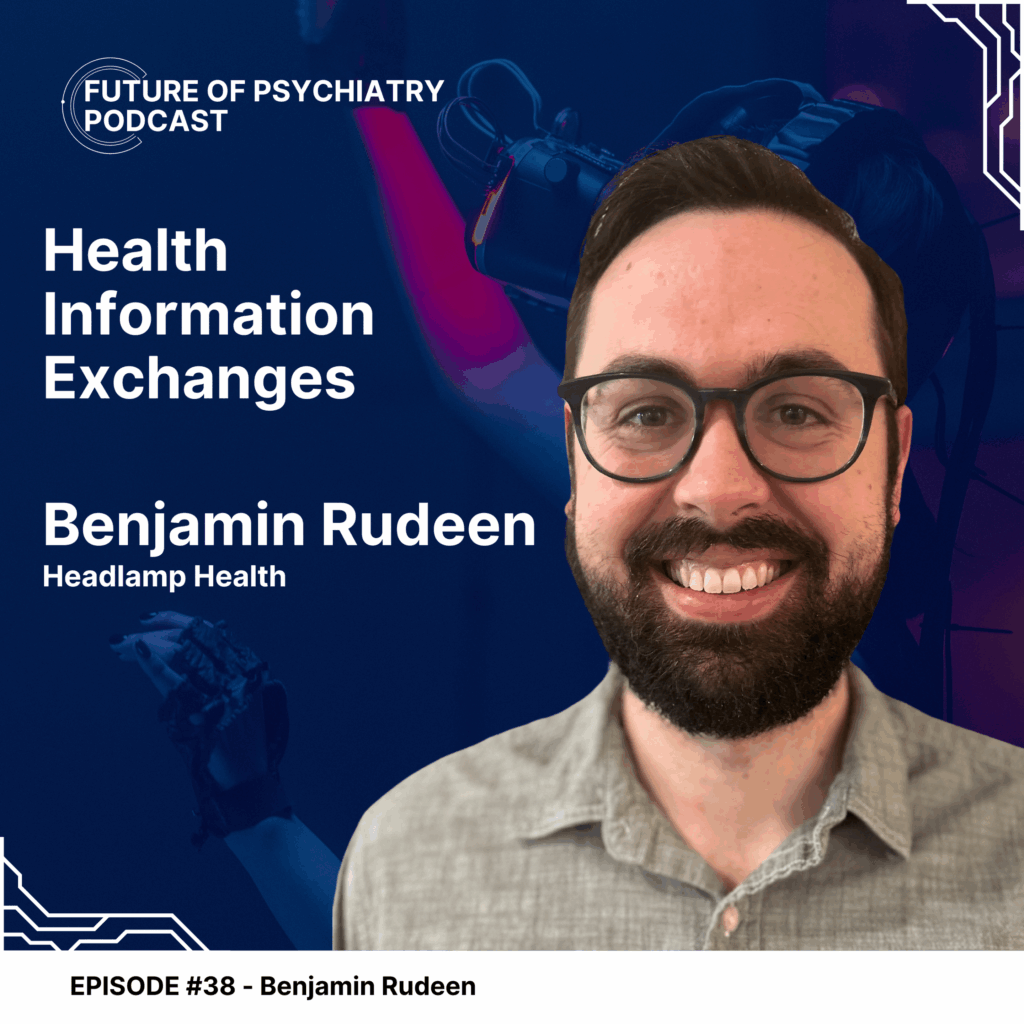
In the new episode of the Future of Psychiatry podcast technology, including artificial intelligence and health information exchanges are reshaping the landscape of mental wellness. HIEs, designed to collect and share health data, aim to enhance care continuity despite facing challenges such as underutilization and interoperability issues. AI offers personalized health insights by analyzing data, but ethical considerations like privacy and bias must be addressed. Additionally, the episode highlighted the complexities of personalized care, emphasizing the importance of collaboration and patient-centric approaches. As technology continues to evolve, embracing innovation offers the opportunity to create a more connected and informed future for mental health care.
What is Ketamine? Why Ketamine Works with Dr. Steve Yun, Kure

We discuss ketamine therapy’s application for treating severe and treatment-resistant depression, focusing on its evidence-based positive effects and potential risks. Emphasizing patient safety, proper screenings, and adherence to scientific evidence, we also explore the broader landscape of psychiatric treatment, dismissing quick fixes and highlighting the importance of rigorous, evidence-based approaches in advancing mental health treatments.