
Online Psychiatry vs. In-Person: The False Dichotomy and the Future of Care
Weighing online psychiatry vs in-person care? Compare the pros, cons, costs, and clinical outcomes to make the best choice for your health.
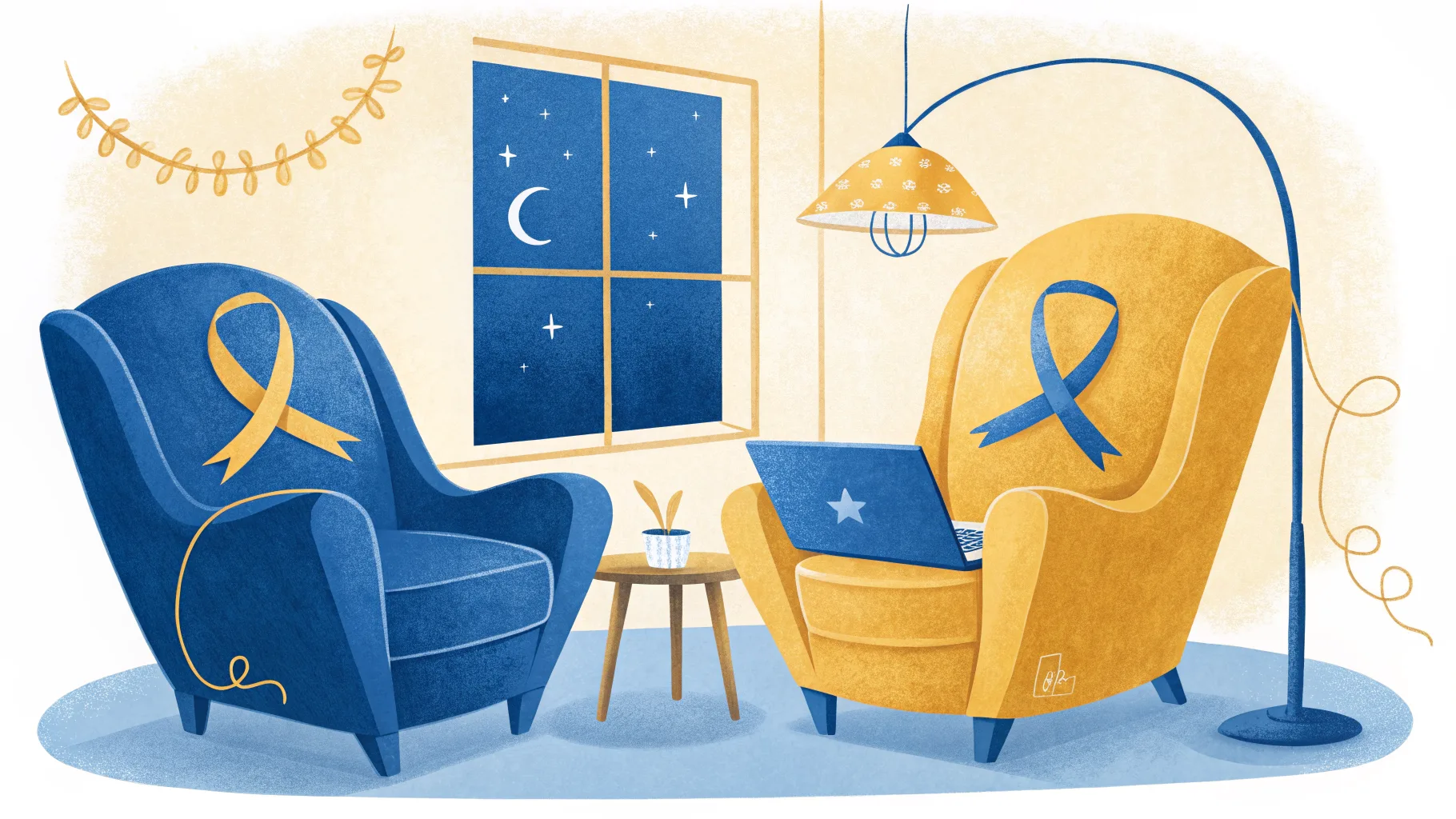
The Controversy: Why “Choosing a Side” is Hurting Patients
For decades, the psychiatric establishment has clung to the “sacred space” of a couch in a wood-paneled office as a prerequisite for healing. The prevailing status quo suggests that without physical presence, the “therapeutic alliance” is somehow diluted into a digital facsimile of a real connection.
I disagree.
The history of psychiatry is littered with rigid adherence to settings over outcomes. From the isolated asylums of the 19th century to the strict 50-minute hour of the mid-20th century, we have often prioritized the ritual of the encounter over the accessibility of the care. To suggest that online psychiatry vs in-person psychiatry is a battle between “quality” and “convenience” is not just reductive; it’s ethically questionable. The true measure of care isn’t the chair you sit in, it’s the clinical insight, the continuity of the relationship, and the removal of barriers that prevent patients from showing up in the first place.
The Problem: The Barrier of Accessibility
The traditional model of in-person psychiatry assumes a level of privilege that many patients simply don’t have. It assumes you have the childcare, the reliable transportation, the flexible work hours, and the physical health to spend two hours commuting for a 30-minute medication management check-in. When we force patients into a physical box, we create a “compliance tax.” If a patient in a rural area or a busy professional in a city misses an appointment because of a traffic jam or a sick kid, the clinical outcome is the same: interrupted care.
The Agitation: The Myth of the “Lesser Connection”
A common myth persists: “You can’t read body language through a screen.”
As someone who has studied the evolution of clinical practice, I find this argument fascinatingly flawed. In an in-person setting, a patient is often hyper-aware of the clinical environment, the ticking clock, the noises in the hallway, and the feeling of being “observed” in a foreign space. In contrast, telepsychiatry vs in-person therapy often reveals a more authentic version of the patient. When a patient is in their own home, surrounded by their own life, the “white coat effect” diminishes. We aren’t just seeing a patient; we are seeing a person in their natural habitat. The “nuance” we supposedly lose in pixels, we often regain in the patient’s psychological safety and openness.
The Solution: A Modern Clinical Model Focused on the Patient
At TelepsychHealth, we don’t view online psychiatry as a “second-best” alternative. We view it as a technological evolution of the house call. By leveraging the benefits of online psychiatry, we are able to provide:
- Clinical Continuity: No more “starting over” because you moved or changed jobs. Your doctor stays with you.
- Specialized Access: You aren’t limited to the psychiatrists within a 10-mile radius. You have access to the best clinical minds, regardless of geography.
- Reduced Stigma: For many, the act of walking into a psychiatric clinic is a barrier. Digital care allows for a discreet, private entry into the mental health system.
Deep Dive: Can You Standardize Empathy? Exploring the Ethics of Technology in Psychiatry with Emily Carroll.
<iframe title="Ep. 10 Mental Health Tech Ethical Dilemmas" width="800" height="450" src="https://www.youtube.com/embed/5Q0GLirTzGM?feature=oembed" frameborder="0" allow="accelerometer; autoplay; clipboard-write; encrypted-media; gyroscope; picture-in-picture; web-share" referrerpolicy="strict-origin-when-cross-origin" allowfullscreen=""></iframe>
The Myth-Buster: “Telehealth is Only for Low-Acuity Cases”
There is a dangerous misunderstanding that complex psychiatric conditions require in-person visits. While there are certainly instances where physical exams are necessary (e.g., certain neurological checks), the vast majority of psychiatric diagnosis and treatment is based on clinical interviewing and longitudinal observation.
Whether we are managing treatment-resistant depression or complex ADHD, the data is clear: clinical outcomes for online psychiatry are non-inferior to in-person care. (See the research on whether online psychiatry is as effective as in-person care.) The “acuity” of the condition doesn’t determine the setting; the quality of the clinician does.
Next Steps: How to Choose the Right Path for You
Choosing between online psychiatry vs in-person psychiatry shouldn’t feel like a compromise. Ask yourself these three questions to determine your best path:
- Does my schedule consistently allow for 2-3 hours of dedicated time (including travel) for an appointment? If not, the consistency of online care will likely lead to better long-term results.
- Do I feel more “myself” in a clinical setting or in my own home? Your comfort level directly impacts your ability to be honest with your provider.
- Is the specialist I need available locally? Don’t settle for “whoever is nearby” when you can access the specific expertise your condition requires.
Ready to experience the future of care?
Don’t just book an appointment; book a partnership. Review our Clinical Team to find the provider whose expertise aligns with your history and your goals.
Talk with a board-certified psychiatric provider — from home
TelepsychHealth offers online psychiatry for adults in Arizona, California, Connecticut, Florida, Georgia, Illinois, Michigan, Minnesota, New York, and Texas, and therapy in Illinois, Texas and Florida. We are in-network with major insurance plans, which vary by state.

Published by the TelepsychHealth clinical team — evidence-based mental health guidance reviewed by licensed psychiatric providers.